

 AR
AR
 BG
BG
 HR
HR
 CS
CS
 DA
DA
 NL
NL
 FI
FI
 FR
FR
 DE
DE
 IT
IT
 JA
JA
 NO
NO
 PL
PL
 PT
PT
 RU
RU
 ES
ES
 SV
SV
 LT
LT
 SR
SR
 UK
UK
 ET
ET
 AF
AF
 MS
MS
 GA
GA
 CY
CY
 BE
BE
 IS
IS
 BS
BS
 EO
EO
 MN
MN
 SO
SO
 YO
YO
 NY
NY
 ST
ST
 TG
TG
 AM
AM
 SD
SD
 FY
FY
 XH
XH
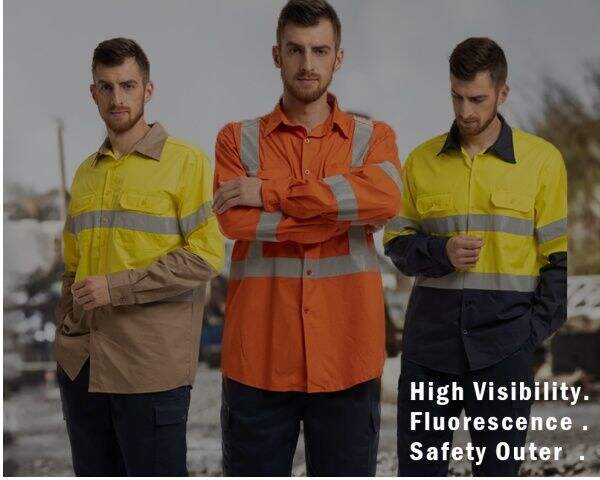
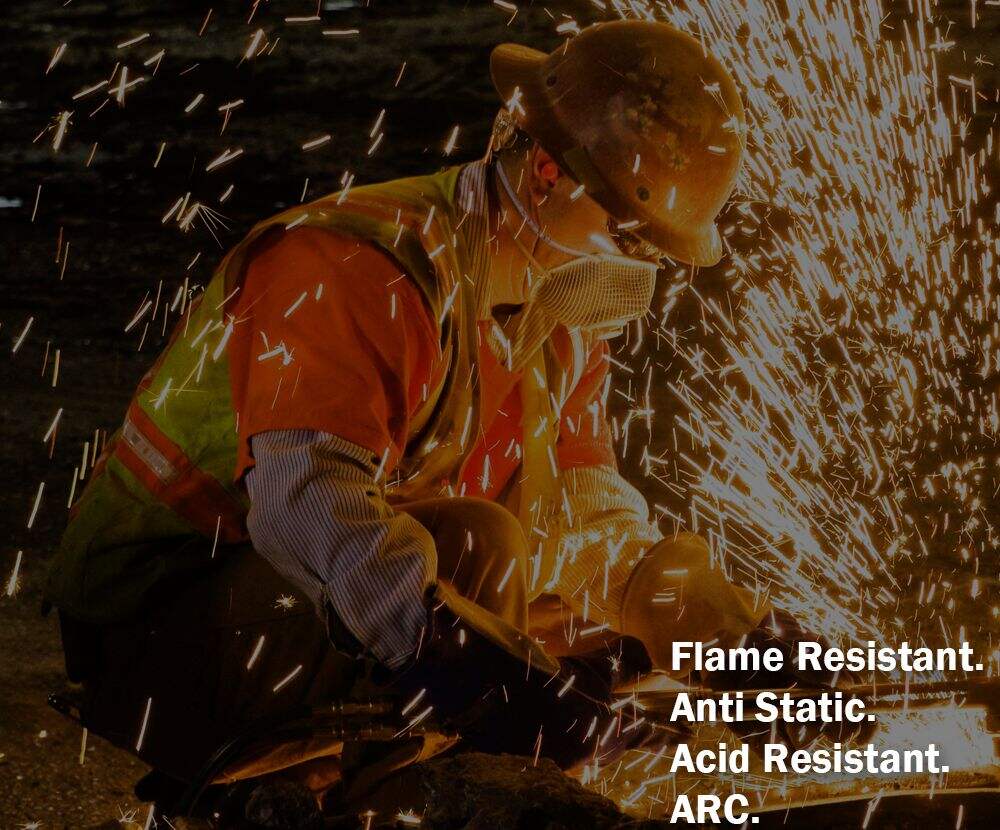

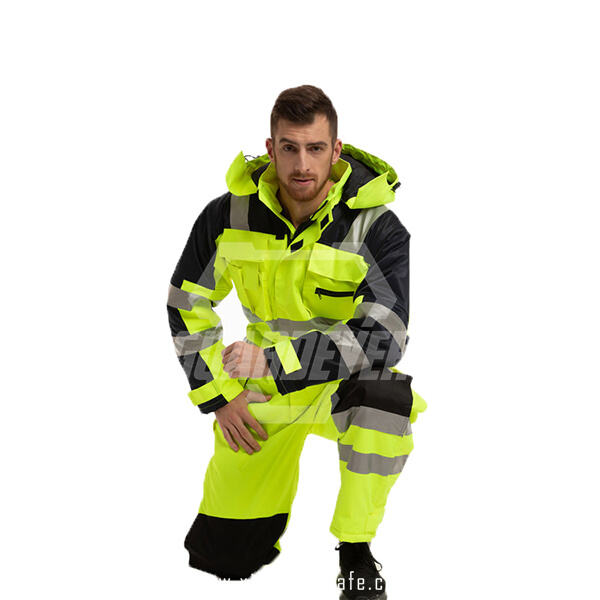
When it comes to working in cold weather, staying warm is really important. Thats why insulated coveralls are good choice. They keep you warm when you work outside or in chilly places. But not all insulated coveralls same. They got different temperature ratings, that show how cold they can handle. Knowing this ratings help you pick right one for your job. Safety Technology make high-quality insulated coveralls that designed to keep you warm and safe.
How Temperature Ratings Impact Your Choice of Insulated Coveralls
Temperature ratings tell how good insulated coveralls protect from cold. Each coverall have a number showing lowest temperature it work comfortable. For example, if coveralls rated 20 degrees Fahrenheit, it means they will keep you warm down to that point. But if you work in even colder area, you might need one with lower rating like -10 degrees. This way you stay warm and focus on work without worry too much about getting cold.
Choosing flame retardant coveralls from Safety Technology means you can trust those ratings. We test our product to make sure they perform in different conditions. If you working outside long hours, you want coveralls rated for temperatures you face. Like construction workers or farmers, they often in very cold weather so need coveralls that handle the chill to avoid frostbite or other problems.
Also, remember temperature ratings can change depend on how active you are. If you moving alot, you stay warmer than just standing still. Thats why important to think what you doing while wearing the coveralls. If very active, higher rating might be ok. But if sitting or standing around, better pick lower rating to stay warm.
How to Choose Right Insulated Coveralls for Extreme Weather
Choosing insulated coveralls for extreme cold can feel hard, but it don't have to. First think about weather where you work. If really cold, look for coveralls with low temperature ratings. Also think about insulation type. There different materials like down or synthetic. Down is very warm but heavy and not good if get wet. Synthetic is lighter and keep warm even when wet, which useful if snowy or rainy.
Next, consider the fit. They should fit good but let you move easy. Too tight and you get cold because not trap heat well. Too loose, cold air come in and make uncomfortable. Safety Technology offer many sizes to find best fit for your body.
Don't forget features like pockets and hoods. Pockets help hold tools or warm hands. Hood keep head and neck warm, where alot heat escape. Some coveralls have adjustable cuffs to stop cold air sneaking in.
Lastly, think how easy to put on and take off. If going in and out buildings, easy manage coveralls is big plus. You want quick change if feel too hot or cold. Safety Technology here to help choose right insulated coveralls to keep warm and safe no matter how cold.
Misunderstanding Temperature Ratings in Insulated Coveralls
Many people don't fully understand what temperature ratings mean for insulated FR coverall. These ratings important because show how warm coverall keep in different weather. Some think higher number always better, but not always true. Ratings confusing since depend on insulation type, material, and even how active the person is. For example if working hard and moving, you feel warmer than standing still. So coverall rated for certain temp might feel different depend what you doing. Also way you dress underneath change how warm you feel. Thick layers mean maybe not need very low rating coverall. Lighter clothes, then want higher rating. Wind and moisture also matter. If windy or rainy, may need extra protection and good rating not enough. At Safety Technology we want help you understand ratings better so choose right coveralls. Learning what they really mean help make better decisions and stay comfortable safe outdoors.
How to Maximize Comfort and Safety with Properly Rated Insulated Coveralls
To stay comfortable and safe in cold, crucial choose insulated coveralls properly rated for conditions. First think activities you doing. If active like moving alot, maybe want coverall with good airflow and breathable so not get too hot. But if sitting still long time, better more insulation to keep warm. Layering another factor. Right clothes underneath help alot. Like moisture-wicking base layer keep sweat away, insulating layer trap warmth. Fit very important too. Too tight feel restricted, too loose cold air get in. Safety Technology got range sizes and styles for perfect fit. Lastly don't forget accessories. Good hat, gloves, thermal socks make big difference. By think all this, you maximize comfort and safety with insulated coveralls ready for any weather.
What Should Wholesale Buyers Consider When Evaluating Insulated Coveralls?
For wholesale buyers wanting buy insulated coveralls, several things important. First think intended use. For construction workers, outdoor sports, or cold storage people? Knowing end users needs help select right ones. Next pay attention temperature ratings and insulation types. Choose insulated coveralls match climate where used. Like extreme cold, go for higher insulation ratings. Durability of materials also key. Coveralls should strong and high-quality to handle wear tear in tough places. Comfort features like breath-ability, flexibility, fit matter too. Workers need move free comfortable. Look for good range motion. Safety things like reflective strips or reinforced knees can make difference in some jobs. Finally price and warranty. Get quality at fair price crucial for buyers. At Safety Technology we provide high-quality insulated coveralls for various needs and budgets. Considering all this help wholesale buyers make good decisions benefit customers and keep everyone warm safe.
Table of Contents
- How Temperature Ratings Impact Your Choice of Insulated Coveralls
- How to Choose Right Insulated Coveralls for Extreme Weather
- Misunderstanding Temperature Ratings in Insulated Coveralls
- How to Maximize Comfort and Safety with Properly Rated Insulated Coveralls
- What Should Wholesale Buyers Consider When Evaluating Insulated Coveralls?

